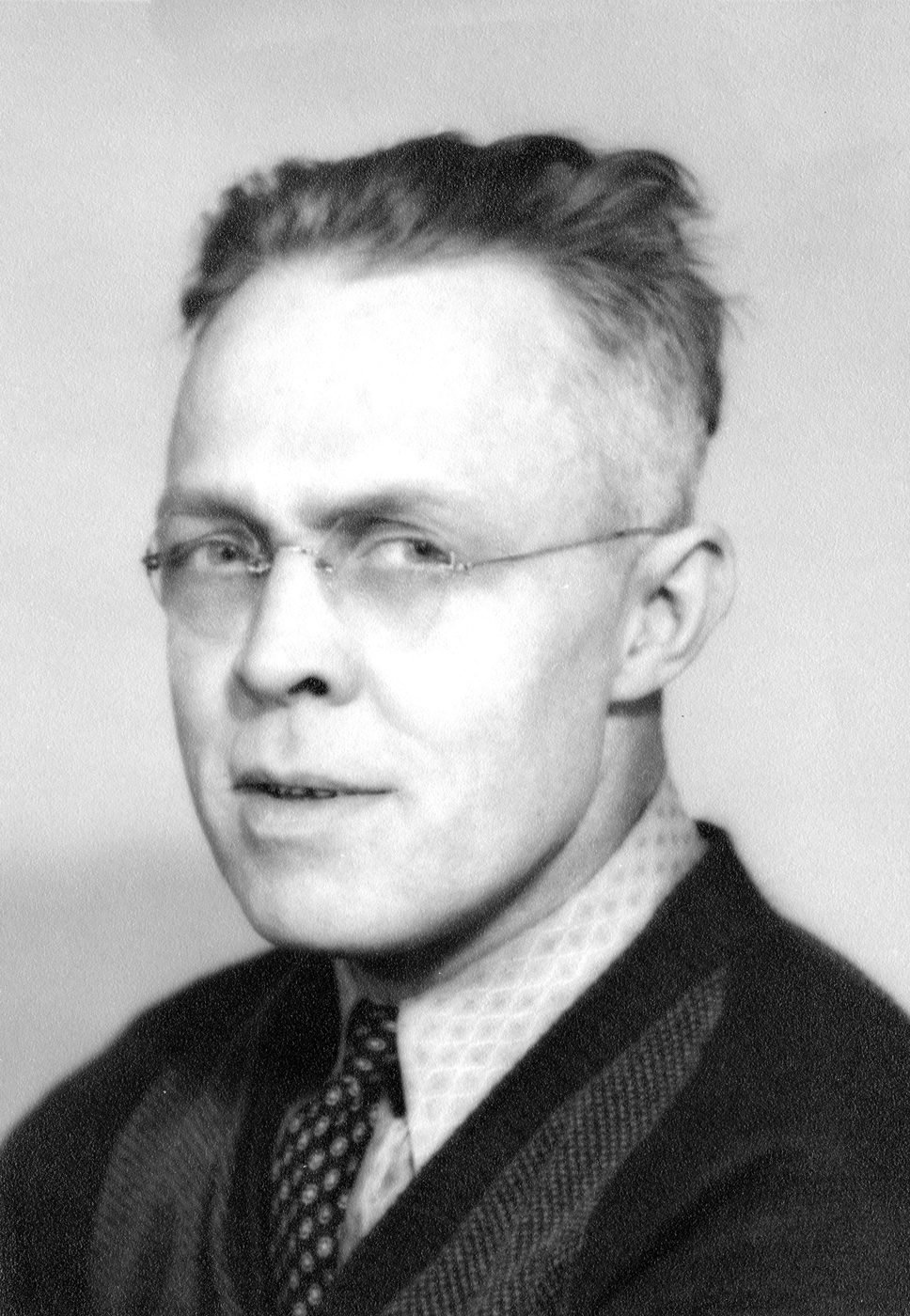
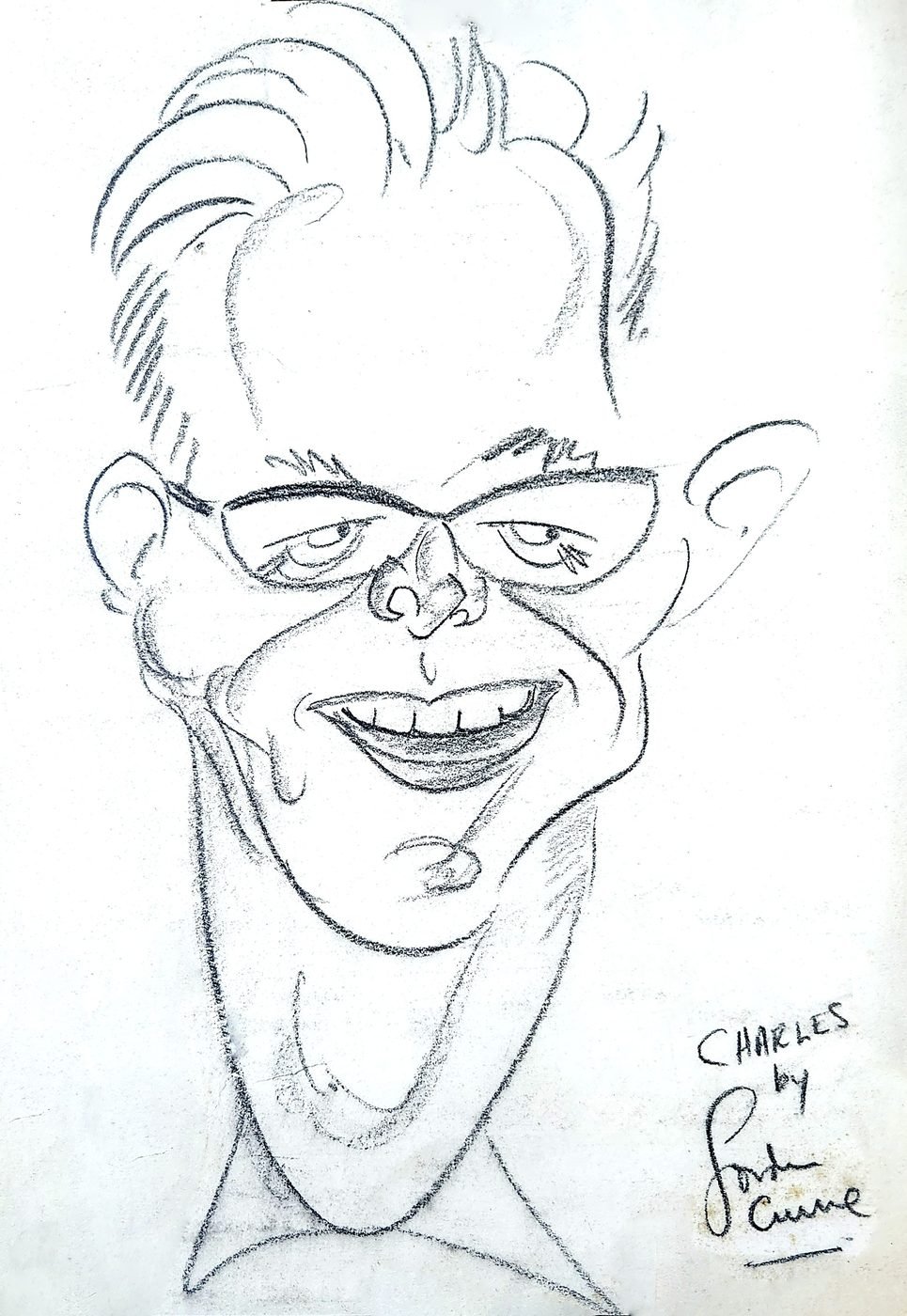
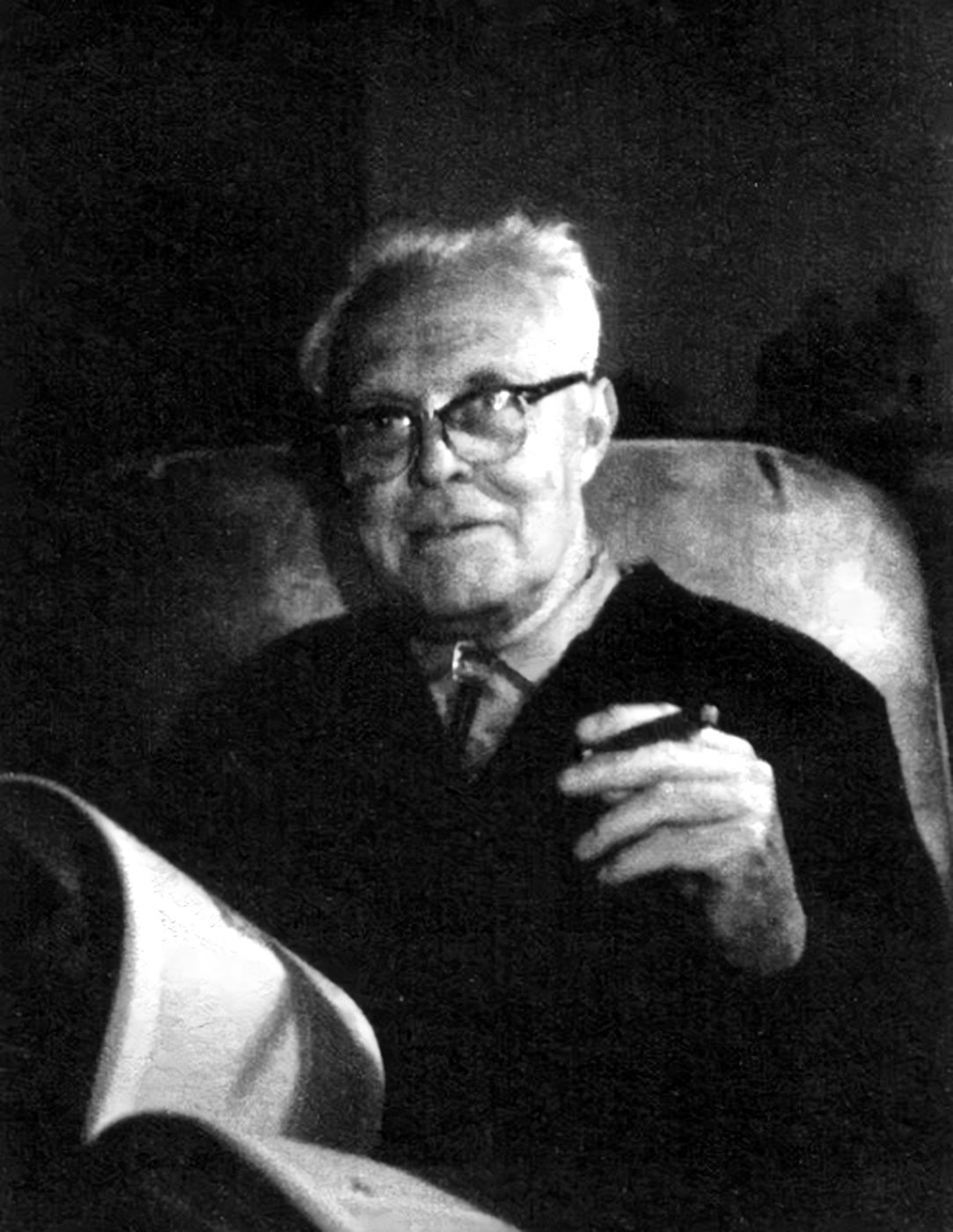
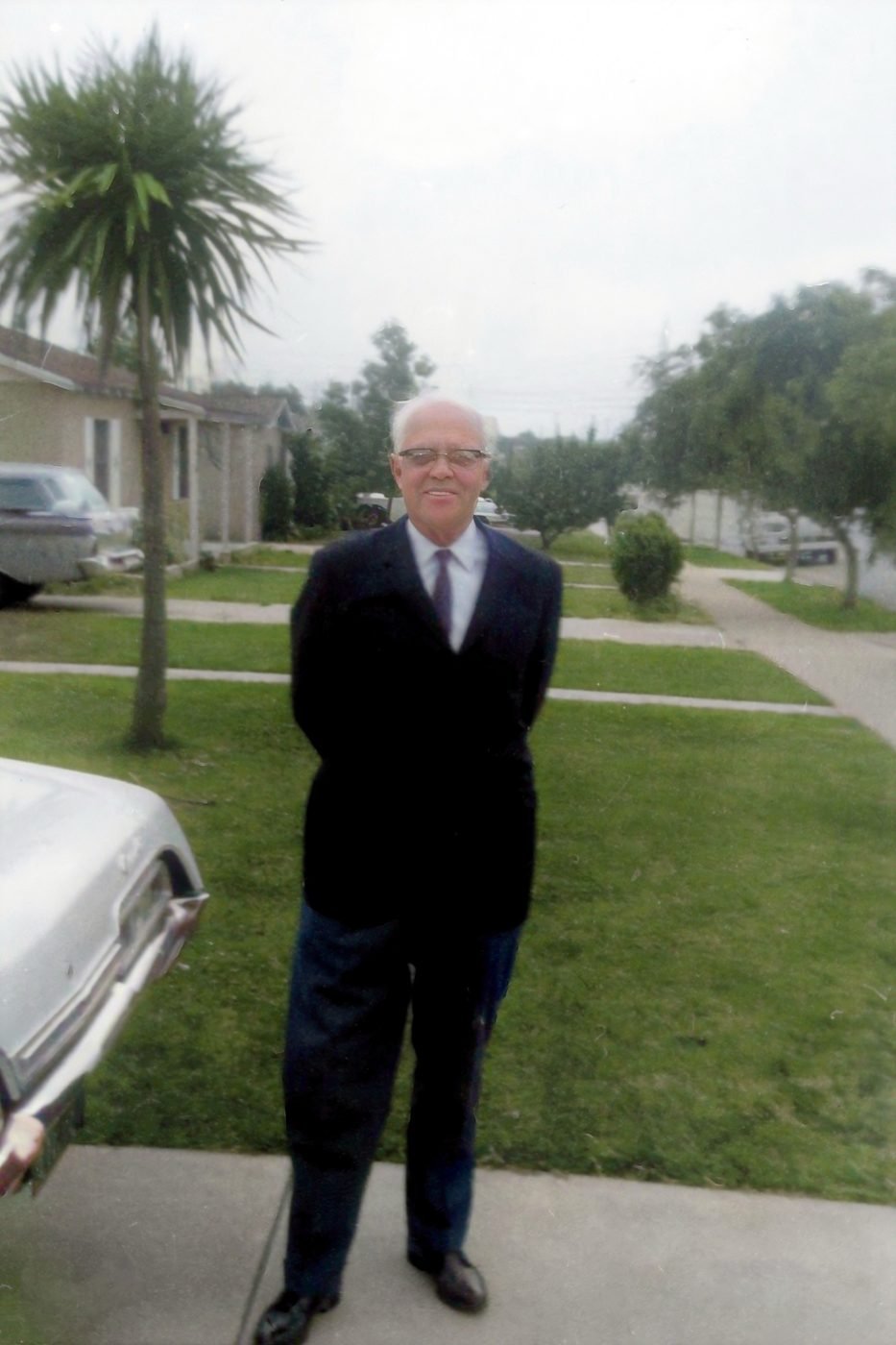
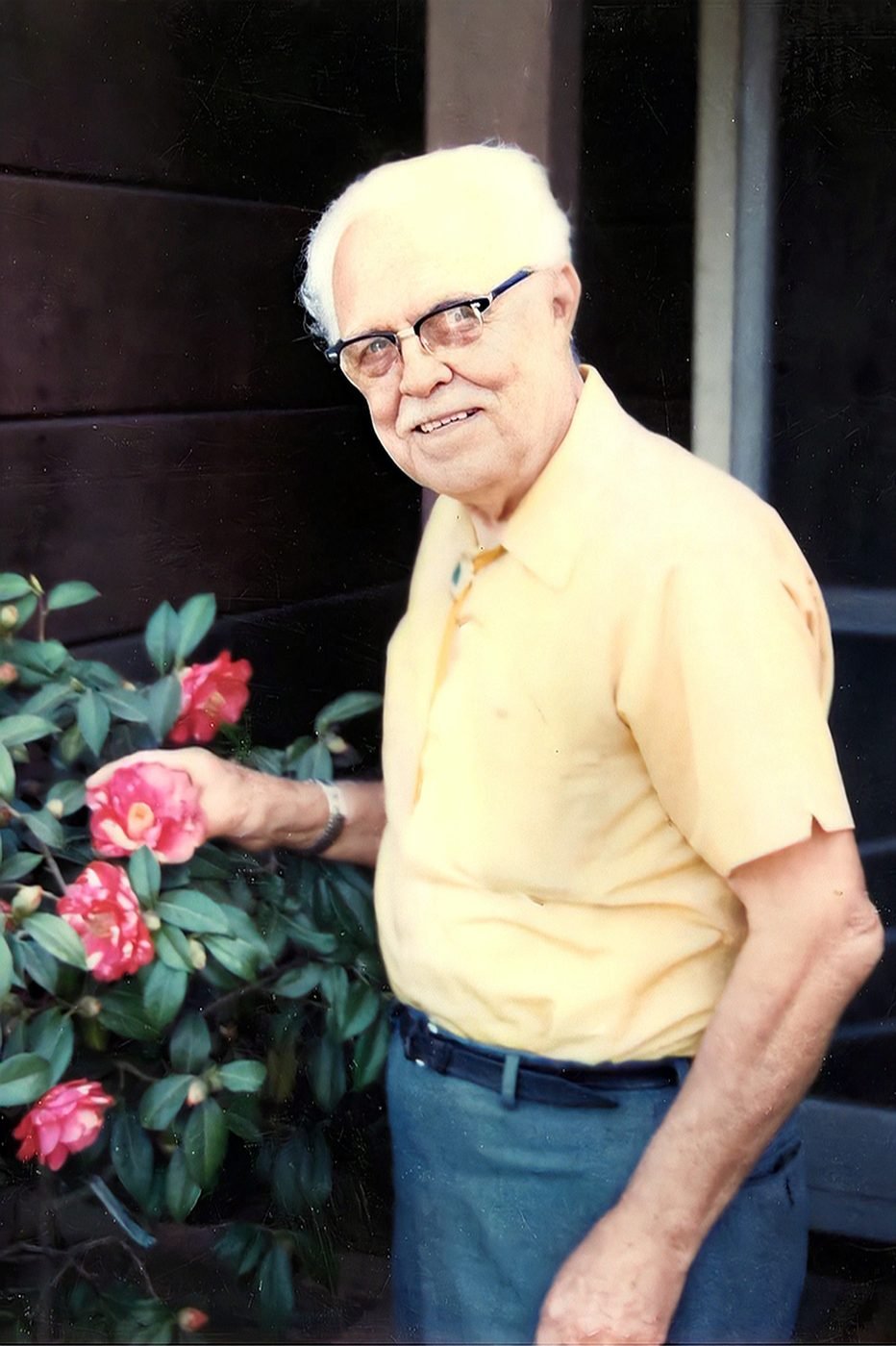
Meet the author
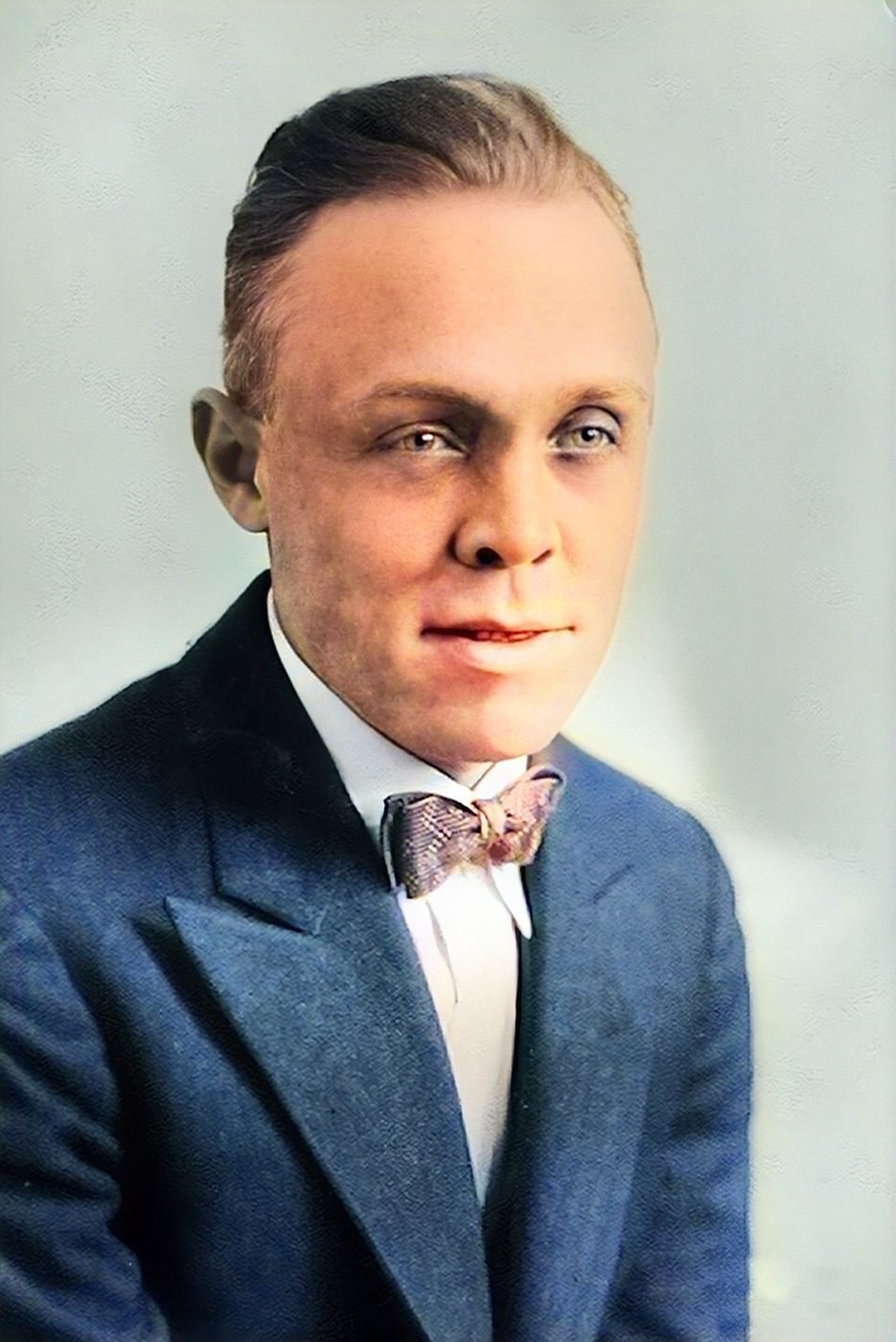
Charles Roland Tanner
February 17, 1896, Cincinnati, Ohio — January 9, 1974, Torrance, California
American clerk, salesman, and science-fiction author, best remembered for the Tumithak stories that began in Amazing Stories in 1932. A first-generation pulp fan who grew up on Wells, Burroughs, and Gernsback, he won a Science Wonder Stories cover contest in 1930 and never quite left the typewriter.
- World War I veteran; he read pulp serials on the New York docks while waiting to ship for France.
- Lived most of his working life in Cincinnati, later in Torrance, California.
- During the Depression one of his three children died, and his wife Frances was hospitalized at length with tuberculosis.
- Isaac Asimov and Philip José Farmer both named the Tumithak stories among their early inspirations.
- He stopped writing in 1952, returned briefly in 1968 with a Burroughs poem and book reviews, and left a fourth Tumithak novella unpublished until 2005.
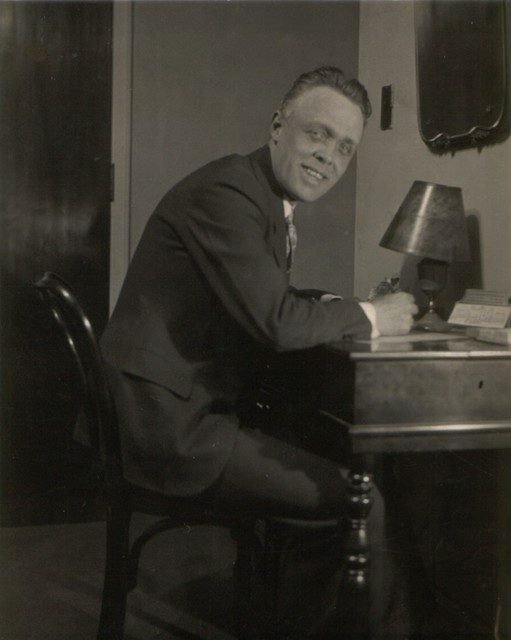
A life in dates
Timeline
- 1896Born Charles Roland Tanner in Cincinnati, Ohio.
- 1905Discovers Wells, the Munsey pulps, and astronomy in his grandfather’s magazines.
- 1918Serves in the war; reads Giesy on the dock while waiting to sail for France.
- 1926The first issue of Amazing Stories appears — a magazine devoted entirely to science fiction.
- 1930Wins first prize in Hugo Gernsback’s $300 Science Wonder Stories cover contest with “The Color of Space.”
- 1932“Tumithak of the Corridors” is published in Amazing Stories and becomes his signature work.
- 1933“Tumithak in Shawm.” A run of misfortunes forces him to set writing aside for several years.
- 1938Returns with “The Vanishing Diamonds” and Professor Isaac N. Stillwell.
- 1939Attends the Chicago science-fiction convention; sells a story to the editor on the floor.
- 1941–43A burst of pulp work — Tumithak’s third adventure, Cham of the Hills, Planet Stories, and the Stillwell sequel.
- 1950–51A late trio of fantasies in Other Worlds, including “Mr. Garfinkel and the Lepra-Cohen.”
- 1968A poem for Edgar Rice Burroughs in Fantastic Stories.
- 1974Dies in Torrance, California, on January 9.
- 2005The fourth Tumithak story, “Tumithak and the Ancient Word,” appears in book form at last.
Amazing Stories, February 1941
In his own words
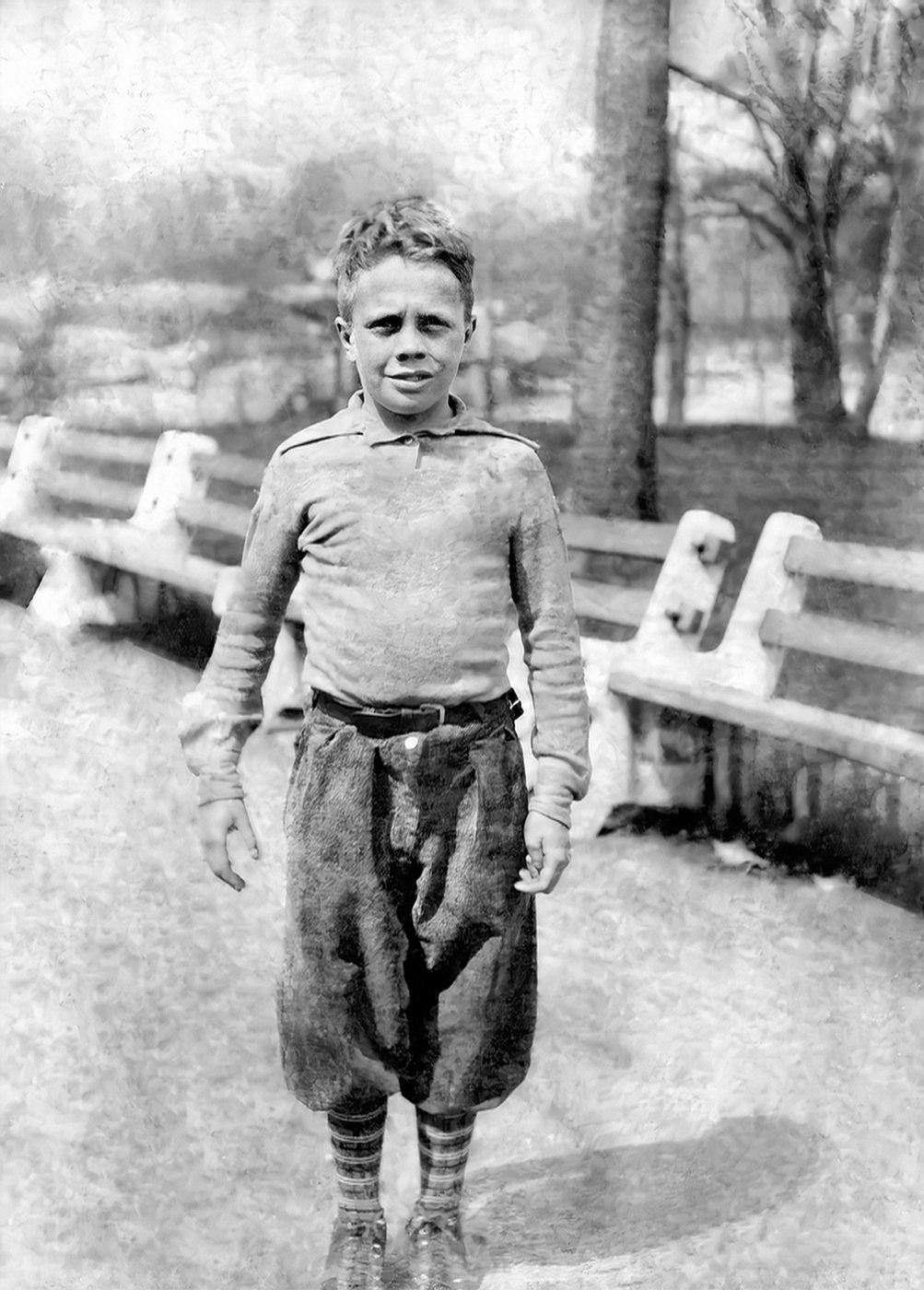
Back about 1905, a little chap about nine was browsing among a pile of books and magazines which had been left by his recently deceased grandfather. There were Strand Magazines, and Cosmopolitans, and Argosies, and every one had some sort of science-fiction story in it. There was “The First Men on the Moon,” by H. G. Wells; “A Round Trip to the Year 2000,” by William Wallace Cook; and I don’t know how many others. All day long, that little chap lay on his belly, surrounded by magazines, and read, and marveled, and wondered.
The next day, little Charley Tanner went to the library and looked and looked, and went home with a book called Starland by Robert Ball. Another science-fiction fan was born.
From that day to this, I’ve read science-fiction wherever and whenever I’ve found it. First, I found it only in the old Munsey publications; then one day, in a drug store, I picked up a magazine called The Electric Experimenter in which there was a story called “The New Adventures of Baron Munchausen.” From then on, I was sold on that magazine.
I started reading All-Story because it printed a story named “Under the Moons of Mars” by Norman Bean. Norman Bean is Edgar Rice Burroughs now, but I still read his Martian stories with interest — in fact, I just laid one down to write this article. I started reading Cavalier when it published “The Second Deluge” by Garrett P. Serviss. And I remember sitting on a dock in New York, waiting with my company to go to France, and reading the second part of “Palos of the Dog Star Pack,” by J. U. Giesy.
Having made the world safe, I returned home to find, during the next years, that science-fiction was all too scarce. And then came the day when I saw, with a delight that I can hardly express, that a new magazine was about to appear, a magazine devoted entirely to science-fiction. Only those old fans who have followed the course of this magazine from the beginning can imagine the impatience with which I awaited, and the thrill with which I read, that first copy, that April, 1926, edition of Amazing Stories.
In a few years there were two magazines — then three. And one day one of the magazines offered a prize contest, and I won first prize! I was an author! I could write! I sat down and began to write anything and everything, in the firm belief that I was going to be rich in about three months. But alas, it didn’t work out quite that way. I had concentrated so much on the reading of science-fiction that the only thing I could write really well was that form of story. So I began to specialize.
Thus it came about that I wrote my most successful stories to date — “Tumithak of the Corridors” and its sequel. I’m still proud of that story and of the fact that after eight years, the old readers of Amazing Stories still remember it and occasionally mention it in their letters.
But, beginning in 1933, a series of misfortunes too long to be recounted here made me abandon writing for several years. Just when I believed that I was done for good, a letter came from Amazing Stories requesting a story for their first issue under the banner of Ziff-Davis. Dubiously, and yet with hope in my heart, I wrote “The Vanishing Diamonds,” in which I introduced a character which I still think is the best I’ve conceived, to date — Professor Isaac N. Stillwell.
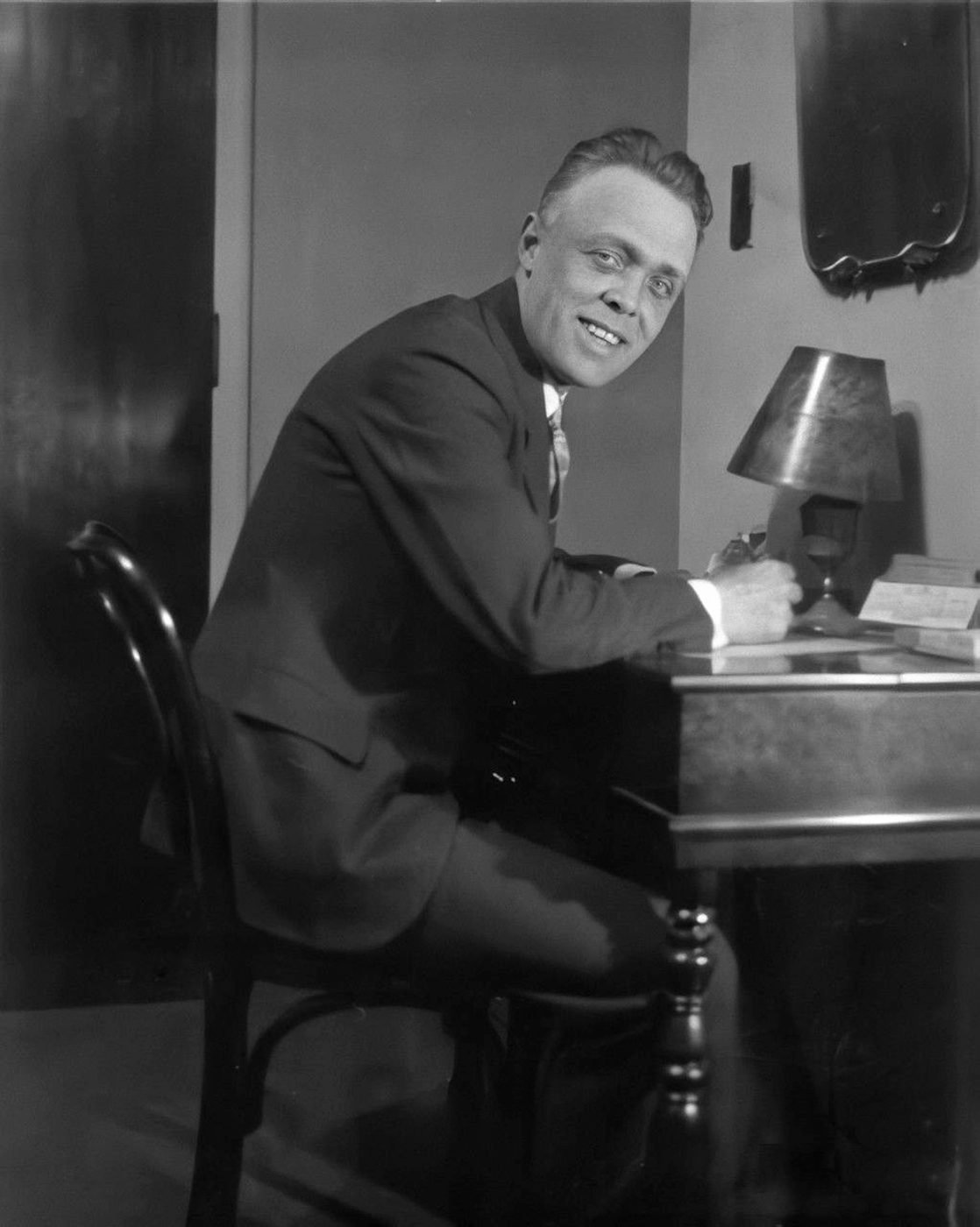
Even the thrill of selling my first story was nothing to the thrill of the Chicago Convention. For the first time, I met fans that I had known of for years; for the first time, I met authors whom I had admired for ages; for the first time, I talked with the editor of my favorite magazine — and sold him a story! And when it was all over, I went back to my home in Cincinnati, and sat down at my typewriter — and I’ve practically been there ever since.
I hope this enthusiasm keeps up, for if it does, you’ll be hearing from me again, I assure you.
Charles R. Tanner
Portraits
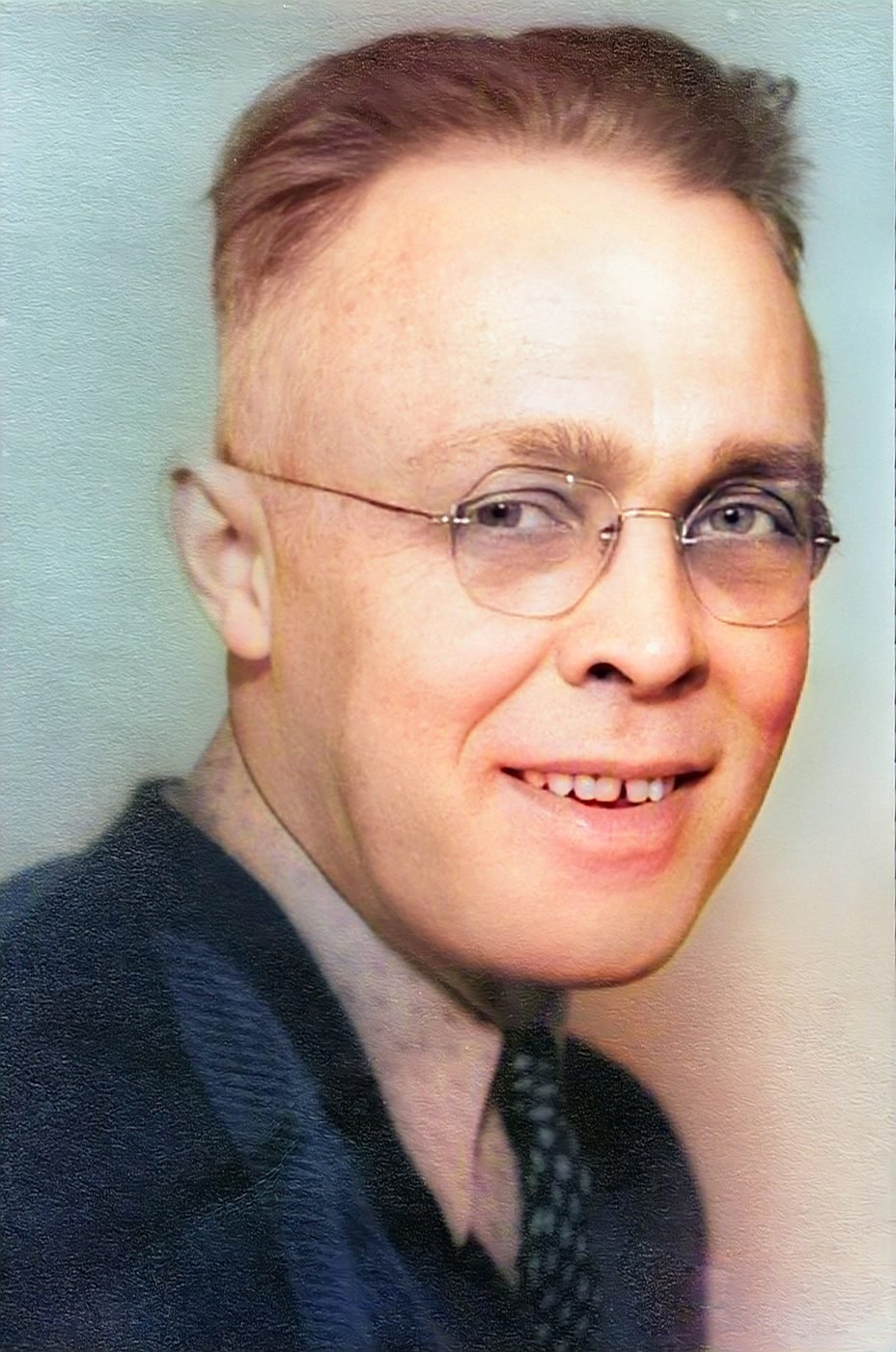
Wife Frances; daughter Ann Marie; sons Jim and Robert; later grandchildren including Judy and Jeff. Family photographs on this site span 1907 to 1973.